
The Terrace Culture in Spain Is Secretly Changing How People Socialise

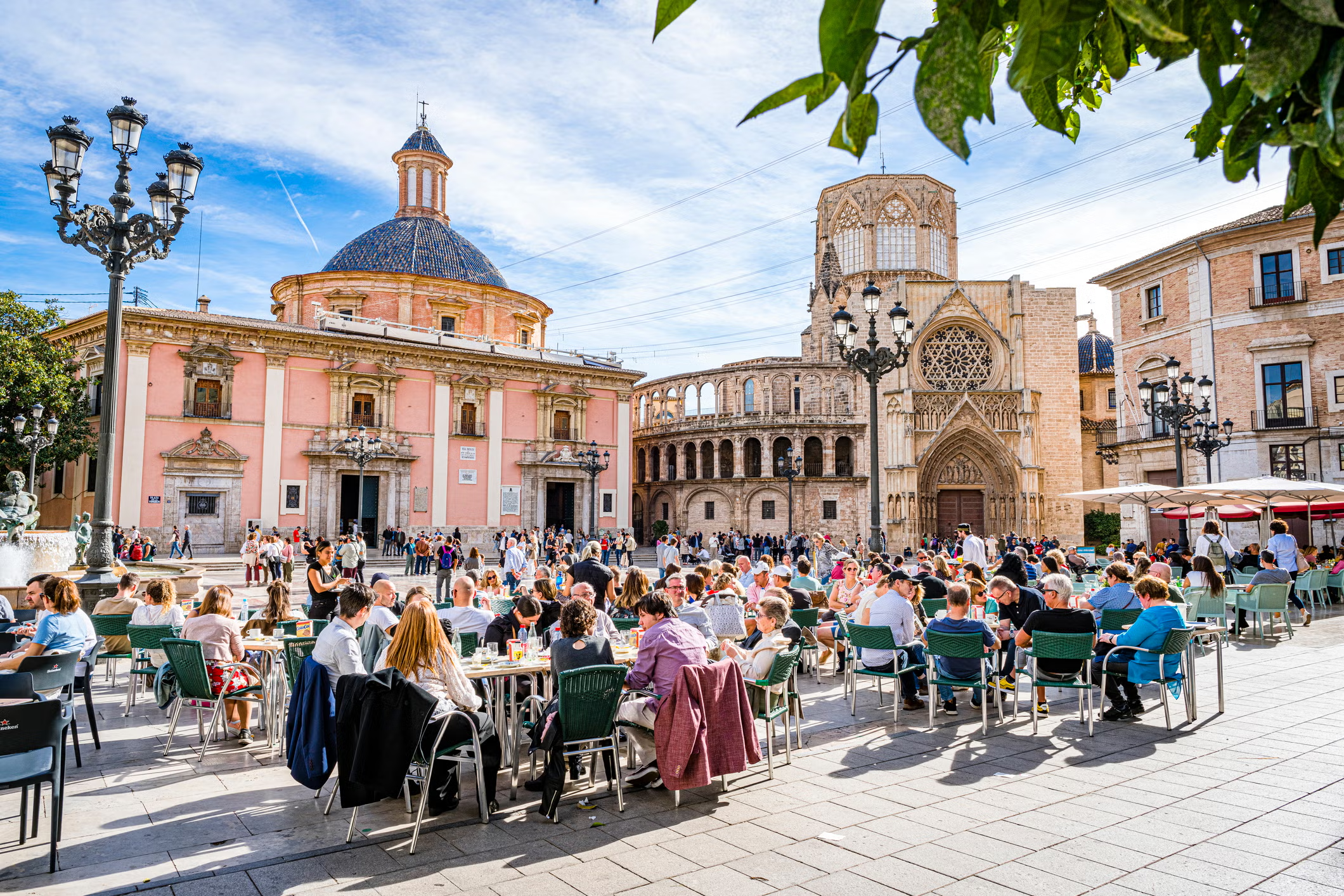
The Terrace Culture in Spain Is Secretly Changing How People Socialise in a way that is subtle but deeply transformative. What looks like a simple habit, sitting outside cafés, bars and restaurants, has become one of the strongest cultural forces shaping modern Spanish life.
Across Spain, from the country as a whole to major cities like Madrid, Barcelona, Seville and Valencia, terraces are not just seating areas. They are social ecosystems.
This everyday outdoor culture is quietly reshaping how people meet, talk, relax, and build relationships.
For more travel inspiration around the country, explore Babylon’s Spain guide:
Why Terrace Culture Is So Powerful in Spain
The reason The Terrace Culture in Spain Is Secretly Changing How People Socialise is because it removes barriers between private and public life.
Instead of staying indoors, people naturally move into shared outdoor spaces. Cafés open onto sidewalks. Bars spill into plazas. Conversations happen in full view of the city.
This creates a constant sense of presence and community. You are never fully isolated, even when you are alone.
In many Northern European cities, social life is often planned in advance. In Spain, it often happens spontaneously, simply by being outside.
The Role of Weather and Urban Design
One of the biggest reasons The Terrace Culture in Spain Is Secretly Changing How People Socialise is climate.
With long sunny seasons across much of Spain, outdoor living is not occasional, it is structural.
Urban design reinforces this. Streets are built around plazas, pedestrian zones and open-air hospitality spaces. Cities like Seville and Valencia are especially known for this layout.
Terraces become natural meeting points where different generations and cultures mix.
Madrid and Barcelona: Two Different Terrace Cultures
In Madrid, terrace culture is intense, social, and deeply integrated into nightlife. People meet late, stay for hours, and move between multiple outdoor venues in one evening.
In contrast, Barcelona blends terrace culture with coastal lifestyle. Cafés near the beach, long brunches, and relaxed evening drinks define a more laid-back rhythm.
Despite their differences, both cities show why The Terrace Culture in Spain Is Secretly Changing How People Socialise across the country.
Seville and Valencia: The Heart of Outdoor Living
Seville represents one of the strongest expressions of terrace culture in Europe. Life happens in shaded squares, especially in warmer months when evenings become long social events.
Valencia adds another dimension, combining modern architecture, parks and beach proximity. People move naturally between city life and coastal relaxation.
These cities show how outdoor socialising is not a trend in Spain, it is a lifestyle foundation.
How Terrace Culture Changes Human Behaviour
The Terrace Culture in Spain Is Secretly Changing How People Socialise because it changes behaviour at a psychological level.
People stay out longer. Conversations become less rushed. Social circles overlap more naturally.
Even solo time feels different. Sitting alone on a terrace still feels connected to the surrounding social environment.
This reduces isolation and increases informal interaction, which strengthens community bonds.
Food, Drinks and the Slow Social Rhythm
Food and drink are central to terrace culture.
Tapas, coffee, wine and shared plates are not just consumption habits, they are social tools.
Meals are rarely rushed. People stay at tables long after finishing food. There is no pressure to leave, which encourages deeper conversation.
This slow rhythm is one of the main reasons The Terrace Culture in Spain Is Secretly Changing How People Socialise so effectively.
The Rise of “Third Spaces” in Spain
Terraces act as what sociologists call “third spaces”, places that are neither home nor work.
In Spain, these third spaces are everywhere. They are accessible, affordable and socially open.
Unlike private entertainment culture in other countries, Spanish terrace culture is public and inclusive.
This accessibility is key to its social impact.
Why Expats and Gen Z Love Terrace Culture
For expats and younger generations, terrace culture feels like a return to something simpler.
It offers:
- Real human interaction instead of digital-only connection
- Affordable socialising compared to indoor venues
- Outdoor lifestyle integrated into daily routine
- A strong sense of belonging in public spaces
This is why The Terrace Culture in Spain Is Secretly Changing How People Socialise among international communities as well.
For more lifestyle and expat content across Spain, visit:
A Cultural Shift Beyond Tourism
Although terrace culture is often associated with tourism, its real impact is local.
It influences how Spaniards build friendships, date, network and spend time with family.
It is not a trend imported from outside. It is a deeply rooted cultural structure that continues to evolve.
For official travel information and inspiration, visit the Spain Official Tourism Website.
